

Posted on 9th Apr 2026
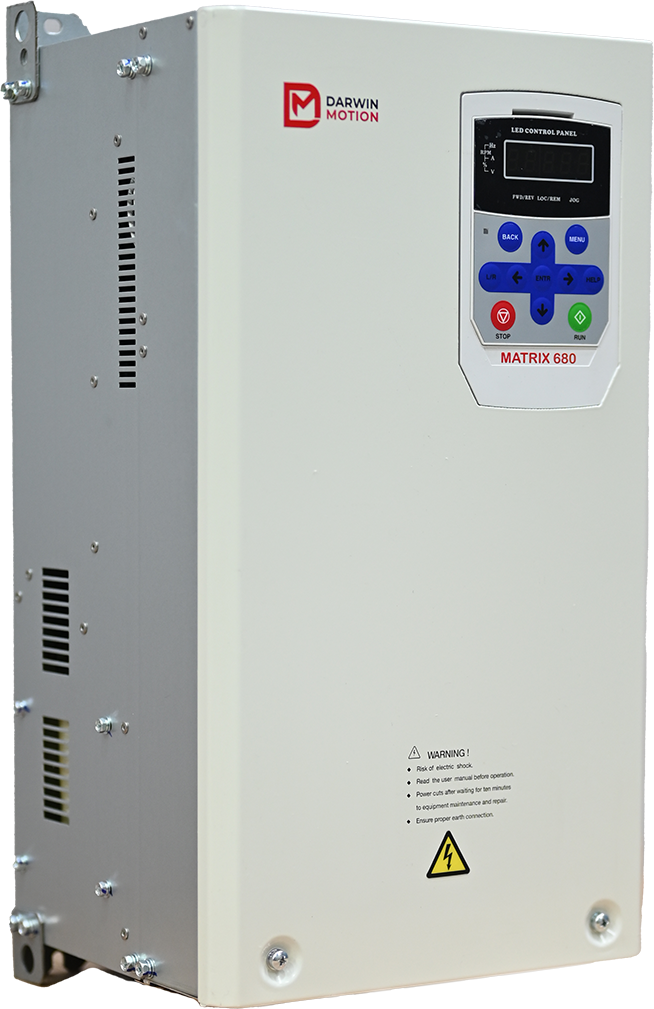
The implementation of a VFD for Injection molding has transformed the plastic manufacturing industry by enabling precise motor control, reducing energy consumption, and improving product quality. Injection molding machines operate under varying load conditions, making them ideal candidates for advanced speed control systems like Variable Frequency Drives (VFDs).
Injection molding is a manufacturing technique used to produce plastic components by injecting molten material into a mold cavity. The process involves multiple stages such as clamping, injection, cooling, and ejection—each requiring different levels of pressure and motor speed. :contentReference[oaicite:0]{index=0}
VFDs regulate motor speed according to real-time operational requirements, ensuring that each phase of the molding cycle receives the exact power needed. This eliminates unnecessary energy usage and enhances operational efficiency. :contentReference[oaicite:1]{index=1}
By adjusting frequency and voltage, VFDs allow precise control of hydraulic pump output, which directly impacts injection pressure and material flow consistency.
Stable motor operation ensures uniform injection speed and pressure, leading to reduced defects and improved consistency in molded products. :contentReference[oaicite:2]{index=2}
Traditional injection molding systems often operate at constant speed, resulting in energy wastage when full power is not required. VFD technology adjusts motor output based on demand, significantly lowering electricity consumption and operational costs. Studies show energy savings can reach up to 50% in optimized systems. :contentReference[oaicite:3]{index=3}
Darwin Motion AC Drive manufacturer offers tailored VFD solutions specifically designed for injection molding applications, ensuring compatibility with complex hydraulic systems.
Their drives enable accurate control of motor speed, torque, and pressure—critical factors in maintaining consistent product quality during high-volume production.
Built for industrial environments, Darwin Motion AC Drives deliver long-term reliability, reduced downtime, and consistent performance even under demanding conditions.
With advanced algorithms and intelligent control systems, Darwin Motion VFDs help manufacturers achieve maximum energy efficiency and sustainability.
Ensures high precision and consistency for complex plastic parts.
Improves production efficiency for large-scale plastic products.
Maintains strict quality standards required for sensitive applications.
Enhances speed and reduces cycle time in packaging production.
Adopting a VFD for Injection molding is a strategic move for industries aiming to enhance efficiency, reduce costs, and improve product quality. With cutting-edge technology and application-focused solutions, Darwin Motion AC Drive manufacturer stands out as a reliable partner for modern industrial automation needs.