

Posted on 26th Oct 2026
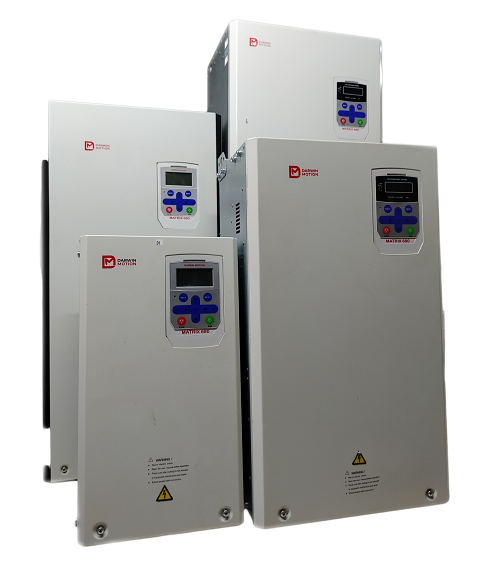
Heating, ventilation, and air conditioning systems are essential for maintaining comfortable indoor environments and controlled operating conditions across commercial buildings, hospitals, hotels, shopping complexes, data centers, and industrial facilities. Behind these systems, large electrical loads operate continuously to maintain temperature, airflow, and ventilation requirements.
Chillers, cooling towers, air handling units, ventilation fans, and circulation pumps can create varying reactive power demands as operating conditions change. These variations may affect power factor and increase current demand within the electrical distribution network. Implementing SVG for HVAC Systems can help facilities dynamically manage reactive power and maintain better electrical performance under changing load conditions.
Darwin Motion brings industrial drive expertise to applications where motor control, energy management, and electrical system performance are important considerations.
A Static Var Generator (SVG) is a power electronic device designed to provide dynamic reactive power compensation. It continuously monitors electrical conditions and adjusts its reactive current output according to the requirements of the connected system.
Unlike conventional capacitor-bank systems that typically operate in discrete steps, an SVG can respond rapidly to changing reactive power demand. This makes it useful in facilities where HVAC equipment switches frequently between different operating conditions.
HVAC installations often include multiple motors with different operating cycles. When chillers start, pumps change operating points, or ventilation equipment adjusts its output, the electrical system may experience changes in reactive power demand.
An appropriately selected SVG helps compensate for changing reactive power demand, supporting improved power factor and more efficient utilization of the facility's electrical infrastructure.
Maintaining a suitable power factor is important in large HVAC installations where several motors and other electrical loads operate simultaneously. An SVG can inject or absorb reactive current as required to help maintain the target power factor.
Improved power factor can reduce the reactive component of current drawn from the upstream supply. The actual benefit depends on the existing power factor, load profile, compensation capacity, and electrical system configuration.
HVAC equipment rarely operates at a constant load throughout the day. Outdoor temperatures, occupancy levels, and building operating schedules all influence cooling and ventilation requirements.
SVG technology responds electronically to variations in reactive power demand, making it suitable for installations that require compensation to adjust as equipment loads change.
Excessive reactive current increases the total current carried by transformers, cables, and other distribution components for a given level of useful active power. Correcting the power factor can reduce this current where reactive demand is significant, potentially freeing capacity within the existing electrical infrastructure.
Reactive power compensation can support voltage regulation at suitable connection points, particularly where the electrical network experiences changing reactive loads. However, SVG performance depends on the strength of the supply network, installation location, and available compensation capacity.
Commercial buildings and industrial facilities frequently experience different HVAC operating conditions during peak and off-peak hours. Dynamic compensation helps the electrical system respond to these variations without relying exclusively on fixed reactive power compensation.
Static Var Generators can be considered for a range of HVAC applications where fluctuating reactive power demand or power factor performance requires attention.
Large office buildings contain chillers, air handling units, ventilation fans, and pumps that serve different zones. An SVG can help manage reactive power variations caused by changes in building occupancy and cooling requirements.
Hospitals rely on dependable cooling and ventilation systems to maintain suitable indoor conditions. Reactive power compensation can help manage electrical performance when HVAC loads vary, subject to proper engineering assessment and coordination with critical power systems.
Data centers require continuous cooling to maintain appropriate operating temperatures for IT equipment. Their cooling infrastructure may include pumps, chillers, and fans with changing load profiles. SVG technology can help address reactive power requirements when measurements indicate a need for dynamic compensation.
HVAC demand in hotels, shopping centers, and retail complexes changes with occupancy, weather, and operating schedules. A suitably designed compensation system can help maintain the desired power factor as electrical demand varies.
Variable Frequency Drives (VFDs) and Static Var Generators perform different functions within an HVAC electrical system. Understanding their roles helps facility managers select a suitable combination of technologies.
VFDs regulate the speed of compatible AC motors by adjusting the frequency and voltage supplied to the motor. In HVAC installations, they are commonly used to control pumps, fans, and selected compressor applications, subject to equipment compatibility.
An SVG focuses on dynamic reactive power compensation rather than motor speed regulation. It adjusts reactive current to help maintain the required power factor and support electrical system performance.
As a Darwin Motion AC Drive manufacturer, Darwin Motion is associated with industrial drive solutions that help businesses address motor control requirements. When VFDs and SVGs are deployed together, their functions should be coordinated to address the facility's motor control and reactive power needs.
VFDs can introduce harmonic currents depending on their input topology and installation. An SVG is not automatically a substitute for harmonic filtering. Where harmonic distortion is present, a power quality study should determine whether line reactors, harmonic filters, low-harmonic drives, or other corrective measures are necessary.
Choosing a Static Var Generator requires an evaluation of the facility's electrical characteristics rather than relying only on the total connected HVAC load. A detailed assessment helps establish the appropriate compensation capacity and system configuration.
Effective HVAC electrical management requires suitable motor control technology, accurate system assessment, and appropriate power quality measures. Selecting equipment according to actual operating conditions can help businesses avoid unnecessary expenditure while improving electrical performance.
Darwin Motion focuses on industrial AC drive technology for applications requiring controlled motor operation. Businesses evaluating HVAC modernization can explore drive solutions alongside a broader electrical assessment to identify opportunities for improved process control and energy management.
Modern HVAC systems must deliver dependable temperature control while meeting demanding electrical and operational requirements. Changes in reactive power demand can affect power factor and increase current flowing through the distribution network.
SVG technology provides a dynamic approach to reactive power compensation, helping suitable HVAC installations maintain their target power factor under varying operating conditions. When combined with appropriate VFD selection, electrical monitoring, and harmonic mitigation measures, it can form part of a comprehensive power quality strategy.
For businesses exploring industrial motor control, Darwin Motion AC Drive manufacturer solutions offer a starting point for evaluating VFD technology in compatible applications.
Looking to improve electrical performance in a commercial building, data center, or industrial HVAC facility? Begin with an assessment of your power factor, reactive power demand, and harmonic levels to identify the right technical approach.
Discover more about SVG technology: SVG for HVAC Systems