

Posted on 14th Oct 2026
Hospitals depend on reliable electrical infrastructure to support patient care, diagnostic procedures, medical equipment, and essential building services. From intensive care units and operating theatres to imaging departments and central air conditioning systems, electrical equipment must operate within its required power and voltage limits. Effective power quality management is therefore an important part of modern hospital infrastructure.
SVG for Hospitals is a practical solution to consider when a healthcare facility experiences fluctuating reactive power demand, poor power factor, or electrical efficiency concerns. A Static Var Generator (SVG) dynamically compensates reactive power, helping hospitals improve power factor and support a more stable electrical distribution system.
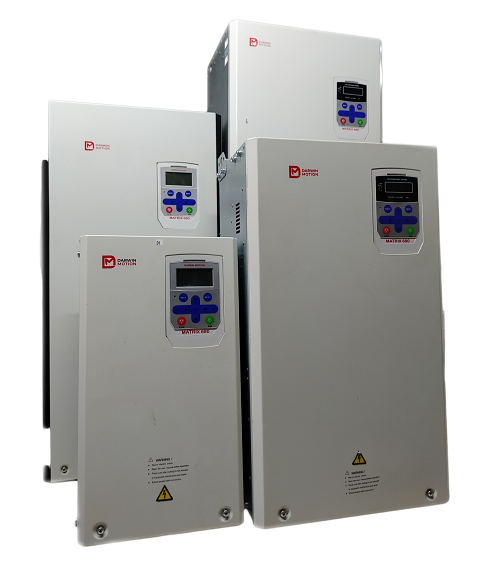
Darwin Motion, an established AC drive manufacturer and power quality solution provider, offers Static Var Generator technology for commercial and infrastructure applications, including hospitals. Its solutions can help healthcare facilities address electrical power quality requirements through intelligent, electronically controlled compensation.
A hospital's electrical network supplies numerous systems that operate simultaneously and may have different load characteristics. Medical imaging equipment, UPS systems, ventilation units, chillers, elevators, water pumps, and electronically controlled motors all contribute to the overall electrical demand.
Depending on the equipment installed and the operating conditions, these loads may increase reactive power consumption or introduce power quality challenges. If these issues are not properly assessed, the facility may experience unnecessary electrical losses, reduced distribution capacity, or difficulties maintaining the desired power factor.
Identifying the actual cause of each issue is essential before selecting a correction system. An electrical audit can help determine whether an SVG, active harmonic filter, or another power quality measure is appropriate for the hospital.
A Static Var Generator is an advanced power electronic device that provides dynamic reactive power compensation. It continuously monitors electrical conditions and adjusts its output according to the reactive power requirements of the connected system.
Unlike conventional automatic power factor correction panels that switch capacitor banks in predefined steps, an SVG can deliver continuously adjustable compensation. This makes the technology particularly useful in facilities where electrical demand changes throughout the day.
This process helps the facility manage reactive power more effectively. However, an SVG does not replace essential electrical protection, backup power systems, or dedicated harmonic mitigation equipment where these are required.
A low power factor can cause an electrical installation to draw more current than necessary for a given level of useful power. An appropriately sized SVG helps compensate reactive power and bring the facility closer to its target power factor. This can also help reduce utility charges associated with poor power factor, subject to the applicable electricity tariff.
Reactive current contributes to current flow through cables, transformers, and switchgear. By compensating reactive power at a suitable point in the distribution system, an SVG can reduce current-related losses and improve the utilization of electrical infrastructure.
Hospitals require electrical systems designed to maintain suitable voltage conditions for connected equipment. Dynamic reactive power compensation can support voltage regulation under changing load conditions. Actual results depend on the utility supply, transformer impedance, system configuration, and the characteristics of the connected loads.
Hospital HVAC systems, pumps, elevators, and other motor-driven equipment may switch operating modes throughout the day. An SVG can adjust compensation rapidly as reactive power requirements change, helping maintain the desired power factor across varying operating conditions.
Reducing unnecessary reactive current may free up some transformer and cable capacity for useful electrical loads. This can be beneficial when evaluating existing distribution infrastructure, although the actual available capacity must be verified through an engineering assessment.
Large air conditioning installations often include motors, pumps, compressors, and variable frequency drives. Their combined operating patterns can create changing reactive power demand. An SVG may help compensate this demand and improve the power factor of the relevant distribution network.
Imaging departments may contain sophisticated diagnostic equipment with specific electrical supply requirements. Power quality should be evaluated carefully, and any compensation equipment should be installed without compromising the manufacturer's electrical requirements or the performance of sensitive systems.
Uninterruptible power supplies, battery charging systems, and backup generators form important parts of hospital electrical infrastructure. Their interaction with reactive power compensation must be assessed by qualified electrical engineers to ensure that the SVG is compatible with the operating modes and protection arrangements of the installation.
Water pumps, sewage treatment equipment, ventilation motors, and other utility systems contribute to a hospital's electrical load. Where these systems create substantial reactive power demand, centralized or appropriately located SVG compensation may help improve electrical efficiency.
Selecting power quality equipment involves more than comparing product ratings. Hospitals need solutions that are compatible with their existing electrical distribution arrangements and designed around their actual operating conditions.
Darwin Motion combines AC drive manufacturing expertise with power quality technologies, including Static Var Generators. This product portfolio is relevant to facilities that use motor control equipment and need to address reactive power management as part of a broader electrical improvement strategy.
For model-specific ratings, voltage compatibility, compensation capacity, response time, enclosure protection, and communication options, consult the manufacturer's current technical documentation before making a purchase decision.
Both Static Var Generators and automatic power factor correction panels can help improve power factor. The appropriate choice depends on load variation, compensation requirements, harmonics, installation constraints, and the project's budget.
Correct sizing is essential for effective compensation. An SVG that is undersized may not meet the required power factor target, while an oversized system may increase the initial project cost without delivering proportional benefits.
Before installation, a qualified electrical engineer should review the hospital's load profile, perform appropriate power quality measurements, and verify compatibility with existing switchgear and backup power systems. The final design should also comply with applicable electrical regulations and the facility's medical electrical safety requirements.
Efficient electrical infrastructure is essential for hospitals that operate complex medical equipment, critical building services, and backup power systems around the clock. Dynamic reactive power compensation can help address low power factor, reduce avoidable distribution losses, and support more effective use of electrical infrastructure.
Choosing SVG for Hospitals from Darwin Motion provides healthcare facility planners and electrical engineers with an option to consider when evaluating modern power factor correction solutions. As an AC drive manufacturer and power quality solution provider, Darwin Motion offers technology intended to support the changing electrical requirements of commercial and infrastructure facilities.
To determine whether a Static Var Generator is suitable for your hospital, review the electrical load profile, identify the underlying power quality issues, and consult Darwin Motion for product details and application-specific guidance.
SVG stands for Static Var Generator. It is a power electronic device used to dynamically compensate reactive power and improve power factor in an electrical distribution system.
An SVG may help reduce power factor-related charges and reactive current losses. Actual savings depend on the hospital's existing power factor, electricity tariff, load profile, and system design.
An SVG supports reactive power management and may help with voltage regulation, but it is not a substitute for UPS systems, surge protection, isolation measures, or other protective equipment required for medical devices.
Yes, an appropriately designed SVG can compensate reactive power associated with HVAC equipment and AC drive installations. An engineering assessment is necessary to confirm compatibility and determine the correct system capacity.
Visit the official Darwin Motion Static Var Generator page to review product information and explore available power quality solutions.