
Posted on 28th Oct 2026
The textile industry depends on consistent electrical performance to maintain production speed, fabric quality, machine synchronization, and operational reliability. From spinning and yarn preparation to weaving, knitting, dyeing, and finishing, every stage of textile manufacturing uses electrical equipment that requires a suitable and stable power supply.
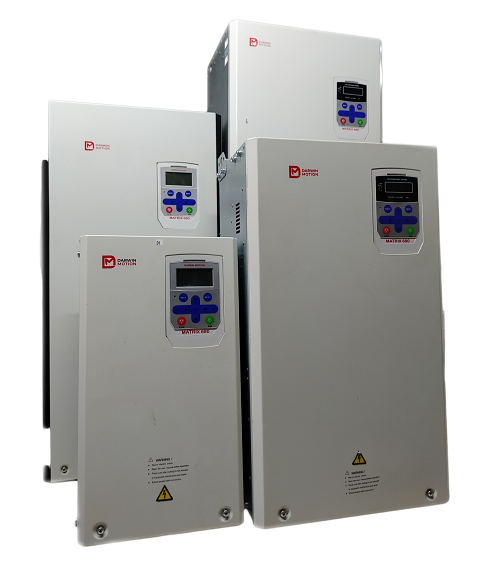
Poor electrical conditions can interrupt production sequences, affect electronic controls, trigger machine shutdowns, and increase maintenance requirements. Therefore, Power Quality for Textile Industry is an important consideration for textile manufacturers looking to improve production consistency and protect their electrical infrastructure. As an AC Drive manufacturer, Darwin Motion is relevant to textile plants evaluating variable-speed motor control and complementary industrial power quality technologies.
Electrical power quality describes how closely the supplied voltage and current meet the requirements of connected equipment. Textile mills often operate multiple machines simultaneously, creating a complex electrical environment in which disturbances can affect several production departments.
Modern textile facilities use programmable logic controllers, variable frequency drives, electronic tension controllers, servo systems, and automated monitoring equipment. These technologies provide greater control over manufacturing processes but may also be sensitive to disturbances in the electrical supply.
Different textile processes experience different electrical problems depending on machine design, motor loading, distribution network characteristics, and the number of electronic devices connected to the supply. Identifying the actual disturbance is the first step toward choosing an appropriate corrective solution.
Voltage dips can occur because of faults on the electrical network, large motor starts, or sudden changes in connected loads. Sensitive drive systems, PLCs, and machine controllers may trip or reset when the voltage falls outside their permitted operating range.
In textile production lines, an unexpected stop can disrupt synchronized equipment and require operators to restart or reset the process. Depending on the application, this can result in wasted material, additional setup time, and reduced production availability.
Harmonics are components of electrical voltage or current at frequencies that are multiples of the fundamental supply frequency. They can arise from nonlinear electrical loads, including conventional variable frequency drives, rectifiers, and switching power supplies.
When harmonic distortion becomes excessive, it can increase heating in transformers and conductors, interfere with sensitive equipment, and contribute to unwanted electrical protection trips.
Three-phase motors and drive systems are designed to operate within specified supply voltage tolerances. An unbalanced three-phase supply can cause additional motor heating and may affect equipment performance. The severity depends on the degree of imbalance, load, and equipment design.
Checking phase voltages, electrical connections, transformer loading, and distribution circuits can help engineers identify the cause and determine suitable corrective action.
Transients are short-duration changes in voltage or current that may originate from switching operations, lightning-related events, or disturbances within an electrical installation. Depending on their magnitude and duration, these events can affect electronic controls, communication interfaces, and sensitive equipment.
Appropriate surge protection, grounding, bonding, and equipment coordination can help reduce exposure to these disturbances.
Electrical disturbances can have consequences beyond the electrical distribution system. Because many textile manufacturing stages operate as connected processes, a fault or trip in one section may affect downstream operations.
Darwin Motion, an AC Drive manufacturer, is associated with industrial motor control solutions designed for applications that require adjustable speed and controlled motor operation. AC drives are used across industries to regulate motor speed according to process requirements rather than operating every motor continuously at a fixed speed.
In textile manufacturing, selecting an appropriate variable frequency drive can support process flexibility, coordinated machinery operation, and energy optimization in suitable applications. The correct drive configuration depends on the motor, load profile, control method, environmental conditions, and production requirements.
Explore industrial drive solutions from Darwin Motion AC Drive manufacturer to learn more about variable frequency drives and their potential applications in industrial motor control.
A reliable improvement strategy should address the underlying electrical problem instead of relying on a single device for every type of disturbance. Depending on the measurement results, textile plants may need one or more complementary power quality technologies.
Active harmonic filters measure harmonic currents and inject compensating currents to reduce selected harmonic components. They can be useful in facilities with changing loads and multiple nonlinear devices, provided the filter is correctly sized for the electrical system.
Line reactors and other manufacturer-approved input-side solutions can help manage current distortion and electrical disturbances associated with particular drive installations. The appropriate solution depends on drive design, system impedance, harmonic measurements, and the required level of mitigation.
Suitable protection devices can help protect equipment from specified voltage disturbances. Voltage dips may require a different approach from transient overvoltage protection, so the corrective equipment should match the disturbance being addressed.
Proper grounding, bonding, cable routing, and distribution design contribute to reliable operation of industrial controls. Dedicated circuits or revised distribution arrangements may be appropriate for particularly sensitive equipment after an engineering assessment.
A power quality audit helps identify the source, severity, and timing of electrical disturbances. Rather than installing correction equipment based on assumptions, manufacturers can use recorded measurements to prioritize improvements and select suitable technologies.
Each textile facility has a different combination of machines, loads, and electrical network conditions. A plant experiencing harmonic distortion may need filtering, while one experiencing frequent voltage dips may require investigation of the supply network, protection settings, or voltage support. A power quality audit helps distinguish between these issues and avoids unnecessary equipment installation.
Along with corrective equipment, consistent maintenance and monitoring can help textile manufacturers identify developing electrical problems before they lead to significant production interruptions.
Electrical reliability is a key consideration for textile manufacturers seeking consistent production, dependable machinery operation, and effective maintenance planning. Voltage dips, harmonic distortion, phase imbalance, and electrical transients can affect the performance of modern textile equipment and should be evaluated using appropriate monitoring methods.
A practical improvement strategy combines power quality measurements, suitable electrical protection, harmonic mitigation where required, and correctly selected motor control equipment. As an AC Drive manufacturer, Darwin Motion is a relevant provider to consider when evaluating variable frequency drives for industrial motor control applications.
For more information about drive solutions, visit Power Quality for Textile Industry and explore the industrial AC drive offerings from Darwin Motion.