

Posted on 30th Sep 2026
HVAC systems depend on reliable water circulation to maintain the required heating and cooling performance across commercial buildings, industrial facilities, offices, hospitals, hotels and other large installations. Pumping requirements can change according to temperature, occupancy and system demand, making variable-speed pump control an important part of a modern HVAC installation.
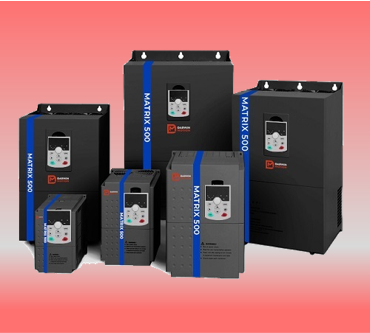
The Darwin HVAC Pump Panel is designed around variable-speed motor control concepts to provide controlled operation of HVAC pumps. By using an AC drive, pump motor speed can be adjusted according to the operating requirements of the HVAC system.
An HVAC pump panel is an electrical control system used to operate and manage pumps associated with heating, ventilation and air-conditioning systems. Depending on the application, the panel can incorporate an AC drive, protection devices, switching components, control terminals and other electrical equipment required for pump operation.
When variable frequency drive technology is incorporated into the panel, the pump motor can operate at different speeds instead of running continuously at a fixed speed. This provides greater flexibility when HVAC demand changes.
HVAC pumps frequently operate under varying load conditions. Running a pump continuously at maximum speed may not always be necessary when the system demand is lower. A variable frequency drive provides a method of adjusting motor speed to match the process requirement.
Variable-speed control is particularly useful for pump loads because centrifugal pump performance changes with speed. Properly configured variable-speed operation can therefore support energy-efficient HVAC system operation.
Energy consumption is a major consideration in HVAC installations because pumps may operate for long periods. Variable-speed control allows the pump to operate closer to the required system demand instead of maintaining maximum speed continuously.
Darwin Motion's published VFD information identifies centrifugal pumps as variable-torque applications where VFD-based speed control can reduce energy consumption. This makes variable frequency drives useful for HVAC pumping applications where flow requirements vary.
During periods of lower cooling or heating demand, the required circulation rate may decrease. The AC drive can reduce motor speed according to the control requirement. When demand increases, the motor speed can be increased accordingly.
This approach provides a more flexible operating profile and can help HVAC operators manage energy consumption while maintaining the required circulation.
Direct starting of an AC motor can produce a high initial current and mechanical stress. A VFD-based HVAC pump panel can start the motor from low frequency and gradually increase its operating speed through a controlled acceleration ramp.
This controlled starting method can help reduce sudden mechanical shocks within the pump and connected system. It also provides operators with greater control over the motor starting process.
Modern HVAC installations frequently use sensors and automation systems to monitor temperature, pressure and flow conditions. A VFD-based pump panel can be integrated into such control strategies to adjust pump speed according to system requirements.
Depending on the system architecture, external controllers can provide speed references or control signals to the AC drive. This allows the pump to respond to changing HVAC conditions without requiring manual speed adjustment.
Offices, shopping centers and commercial complexes require dependable HVAC circulation throughout changing occupancy and weather conditions. Variable-speed pump control can provide flexibility for these systems.
Hotels may experience significant variations in cooling and heating demand. A variable-speed HVAC pump system can adjust operation according to changing building requirements.
Manufacturing plants and industrial facilities may use dedicated HVAC systems for production areas, offices, control rooms and process-related cooling. A drive-controlled pump panel can support these applications.
Large institutional facilities require consistent HVAC operation. Variable-speed pumping can provide controlled circulation while allowing the system to respond to changing requirements.
Selecting the correct pump panel requires consideration of the motor, pump characteristics, HVAC system design and control requirements. Appropriate drive sizing is important for dependable operation.
Darwin Motion AC Drive manufacturer provides variable frequency drive solutions for industrial motor-control applications. Its published AC drive range includes multiple drive options designed for different power, performance and application requirements.
Darwin Motion's VFD technology supports features such as adjustable running speed, controlled acceleration, controlled stopping and variable torque-load operation. These functions can be relevant when designing drive-based HVAC pump control systems.
A reliable HVAC pump panel should be selected according to the complete application rather than only the motor power rating. Pump duty, flow requirements, pressure conditions, operating hours, environmental conditions and control architecture should all be considered during system design.
Correct drive sizing and suitable panel components can help create a dependable pumping solution capable of responding to changing HVAC requirements.
The Darwin HVAC Pump Panel provides a practical approach to variable-speed control of HVAC pump motors. By adjusting motor speed according to system demand, drive-based pump control can provide operational flexibility, smooth starting and improved control of water circulation.
As a Darwin Motion AC Drive manufacturer, Darwin Motion offers AC drive solutions for a range of motor-control applications. For HVAC pumping systems, selecting the appropriate drive according to motor specifications, pump characteristics and control requirements is an important step toward reliable system operation.