
Posted on 5th Nov 2026
The rapid growth of renewable energy has increased the demand for advanced electrical testing equipment and efficient power conversion technologies. Solar energy systems, in particular, require reliable testing solutions to evaluate performance, improve energy conversion efficiency, and ensure consistent operation under different operating conditions.
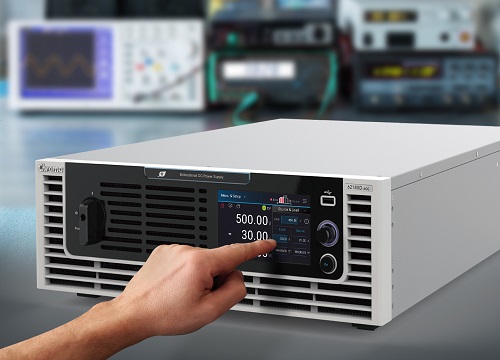
One technology gaining importance in renewable energy testing and development is the bidirectional power supply. Unlike conventional power supplies that deliver energy in only one direction, a bidirectional system can both source and absorb electrical power. This capability makes it valuable for solar inverter testing, photovoltaic system development, battery integration, and renewable energy research.
A Bidirectional power supply for solar applications provides flexible power conversion capabilities that support controlled energy flow between electrical systems. It helps engineers simulate different power conditions, test equipment performance, and recover energy during testing operations.
As a Darwin Motion AC Drive manufacturer, Darwin Motion focuses on advanced industrial power electronics, electrical drive technologies, and energy conversion solutions that support evolving industrial and renewable energy requirements.
A bidirectional power supply is an advanced programmable power conversion system that allows electrical energy to flow in two directions. It can operate as a power source by delivering controlled voltage and current to a connected device. It can also function as an electronic load by absorbing power from the connected system.
This dual operating capability makes it different from traditional DC power supplies, which primarily deliver electrical energy to a load without providing regenerative energy recovery.
In source mode, the system supplies controlled electrical power to the connected equipment. Engineers can configure voltage, current, and power levels according to testing requirements.
In solar applications, this mode can be used to simulate DC power conditions for testing solar inverters, DC-DC converters, and other renewable energy equipment.
In sink mode, the bidirectional power supply absorbs electrical energy from the connected device. Instead of simply dissipating the absorbed energy as heat, regenerative systems can convert and return it to the electrical grid, subject to their design and grid-interface capabilities.
This feature helps reduce energy wastage during extended testing procedures and supports more energy-efficient laboratory operations.
Solar energy systems operate under changing environmental and electrical conditions. Variations in sunlight intensity, temperature, DC voltage, and connected loads can influence overall system performance.
Testing solar equipment under different operating conditions is essential for understanding its efficiency, reliability, and response to changing power requirements.
Bidirectional power supplies provide programmable and controlled power flow, allowing engineers to conduct repeatable tests without depending entirely on actual solar generation conditions.
A bidirectional power supply uses advanced power electronic converters and control systems to regulate electrical energy flow. Depending on the selected operating mode, it either supplies power to the connected equipment or absorbs energy from it.
The system generates a controlled DC output with adjustable voltage and current parameters. This enables engineers to reproduce different solar power conditions during testing.
Power electronic conversion stages regulate electrical energy according to the required operating conditions. Depending on the architecture, these stages may support DC-to-DC and bidirectional DC-to-AC conversion.
The power supply is connected to solar inverters, photovoltaic converters, or other electrical devices to evaluate their response under controlled input and output conditions.
When the connected device sends energy back toward the power supply, the system operates in sink mode and absorbs the incoming electrical power.
In regenerative configurations, absorbed energy can be converted and returned to the electrical grid. This reduces the need for conventional resistive energy dissipation and improves testing facility energy utilization.
Bidirectional power conversion technology supports several testing and development activities in the renewable energy sector. Its flexibility makes it useful for manufacturers, research laboratories, testing facilities, and solar technology developers.
Solar inverters convert DC electricity generated by photovoltaic panels into AC electricity for grid connection or local consumption. Their performance must be evaluated under different input voltage, current, and operating conditions.
Bidirectional power supplies help simulate controlled DC input conditions for inverter testing, enabling engineers to evaluate conversion performance and operational response.
Actual solar panel output changes with irradiance, temperature, shading, and environmental conditions. Programmable power supplies can reproduce selected electrical operating conditions to support controlled testing of photovoltaic-related equipment.
Battery energy storage systems play an important role in solar power installations by storing excess energy and supplying electricity when solar generation is unavailable or insufficient.
Bidirectional power supplies can support battery charge and discharge testing when configured with the appropriate voltage, current, power, and protection capabilities.
Solar energy systems frequently use DC-DC converters to regulate voltage levels and optimize energy transfer between photovoltaic panels, batteries, and inverter systems.
A bidirectional power supply allows engineers to evaluate converter performance under different voltage and power conditions.
Modern microgrids integrate solar generation, battery storage, grid connections, and local electrical loads. Bidirectional power systems can support laboratory testing of energy exchange, power conversion, and control strategies used in these installations.
Solar-powered EV charging infrastructure combines photovoltaic generation, battery storage, and electric vehicle charging systems.
Bidirectional power supplies can support testing of EV charging converters and bidirectional charging interfaces, provided the equipment is designed for the required voltage, current, communication, and safety protocols.
Regenerative bidirectional systems can return absorbed energy to the electrical grid rather than dissipating it as heat. This can reduce energy consumption during repetitive and high-power testing operations.
A single system can operate as both a programmable power source and an electronic load. This provides flexibility for conducting multiple electrical tests using the same equipment.
Engineers can configure electrical parameters such as voltage, current, and power to simulate different operating conditions. This supports repeatable and consistent testing procedures.
Combining source and sink functionality in one system can reduce the need for separate power supplies and electronic loads, depending on the testing application.
Manufacturers can use programmable bidirectional systems to evaluate solar inverters, converters, and energy storage equipment during product development and validation.
The ability to control and reverse power flow makes bidirectional systems valuable for studying renewable energy integration, grid interaction, energy storage, and advanced power conversion technologies.
Both conventional and bidirectional power supplies are used in electrical testing environments. However, their operating capabilities and applications differ significantly.
Choosing the right bidirectional power supply requires evaluating the electrical requirements of the solar equipment and the intended testing application.
The growing renewable energy sector requires reliable electrical technologies that support efficient power conversion, testing, and industrial applications. Selecting the right technology partner is important for achieving dependable performance and meeting specific application requirements.
Darwin Motion AC Drive manufacturer focuses on industrial electrical solutions, power electronics, automation technologies, and advanced power conversion systems for modern industrial requirements.
Whether you are developing solar inverters, evaluating photovoltaic equipment, testing battery energy storage systems, or working on renewable energy research, selecting an appropriate bidirectional power supply can improve the flexibility and efficiency of your testing infrastructure.
The renewable energy industry is moving toward smarter, more integrated power systems. Solar generation, battery energy storage, electric vehicle charging, and grid-connected technologies are increasingly working together as part of modern energy infrastructure.
Bidirectional power conversion will continue to play an important role in this transition by enabling controlled energy exchange between different electrical systems.
As solar technology advances, the demand for programmable testing equipment, regenerative power systems, and advanced energy conversion solutions is expected to grow. These technologies will help manufacturers and researchers evaluate equipment performance and develop more efficient renewable energy systems.
Bidirectional power supplies are becoming valuable tools for solar energy testing and renewable power development. Their ability to deliver and absorb electrical energy provides greater flexibility for testing solar inverters, photovoltaic systems, battery storage solutions, and DC-DC converters.
With programmable operating modes, controlled power conversion, and regenerative energy recovery capabilities, these systems can help improve testing efficiency and support advanced renewable energy applications.
For industries and technology developers looking to enhance their solar testing infrastructure, investing in the right bidirectional power conversion technology is an important step toward reliable and efficient energy solutions.
Looking for advanced power conversion technology for solar energy applications? Connect with Darwin Motion AC Drive Manufacturer to explore bidirectional power supply solutions for modern electrical testing and renewable energy requirements.
Discover smarter power conversion. Improve testing flexibility. Support the future of solar energy.
Explore Our Solution: Bidirectional Power Supply for Solar Applications – Darwin Motion