
Posted on 10th Nov 2026
 Modern industries are increasingly adopting advanced electrical testing technologies to improve energy efficiency, reduce operational costs, and achieve better performance from electrical equipment. With the growing demand for electric vehicles, battery systems, renewable energy solutions, power electronics, and industrial automation, the need for efficient testing equipment has become more important than ever.
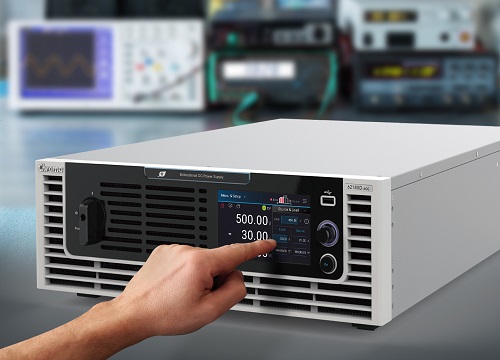
One of the most innovative technologies in this field is the Bidirectional power supply for regenerative testing. This advanced power solution allows electrical energy to flow in both directions, enabling equipment to receive power from the supply and return unused or regenerated energy back to the electrical grid or energy source.
Unlike conventional power supplies that only deliver electrical energy to a device under test, bidirectional power supplies can both source and sink power. This capability makes them highly useful for regenerative testing applications, where energy recovery and efficient testing are essential.
Darwin Motion AC Drive Manufacturer offers advanced industrial power and automation solutions designed to meet modern testing and energy management requirements. Its bidirectional power supply solutions support efficient testing operations, energy recovery, and improved power utilization across various industrial applications.
A bidirectional power supply is an advanced programmable power conversion system that can operate in both power delivery and power absorption modes. It supplies electrical energy to the equipment under test and can also absorb electrical energy generated by that equipment during regenerative operation.
In regenerative testing, the energy produced by a motor, inverter, battery, or other electrical device during braking or discharge is captured and returned to the power source instead of being wasted as heat through conventional resistive loads.
This technology helps reduce energy consumption, minimize heat generation, improve testing efficiency, and support sustainable industrial operations.
Regenerative testing is a testing method in which electrical energy generated by the equipment under test is recovered and reused. Instead of dissipating excess energy through braking resistors or other conventional energy-dissipation methods, regenerative systems convert and return the energy to an appropriate electrical source.
For example, when an electric motor operates in generator mode during deceleration, it generates electrical energy. A regenerative power system can capture this energy and feed it back into the electrical grid or a compatible DC bus.
A bidirectional power supply uses advanced power electronic converters and intelligent control systems to manage energy flow in both directions. It can operate as a power source during testing and as a power sink when the equipment generates electrical energy.
During power supply mode, the system delivers controlled electrical power to the device under test. Voltage, current, and other electrical parameters can be adjusted according to the testing requirements.
When the equipment under test generates electrical energy, the bidirectional power supply absorbs that energy. It then converts the energy into a suitable form and returns it to the electrical grid or another compatible energy source.
Advanced control technology manages the transition between sourcing and sinking operations. This helps maintain stable power flow, accurate electrical control, and efficient energy recovery.
The system can continuously switch between supplying and absorbing power depending on the operating conditions of the equipment under test. This makes it suitable for repeated testing cycles and demanding industrial applications.
Traditional testing systems often use resistive loads to consume excess electrical energy generated during testing. This approach results in energy wastage, additional heat generation, higher cooling requirements, and increased operating costs.
A bidirectional power supply provides a more efficient alternative by recovering and reusing electrical energy. It is particularly valuable in testing environments where equipment frequently operates in both motoring and regenerative modes.
Bidirectional power supplies provide multiple technical and economic benefits for industrial testing facilities, research laboratories, and equipment manufacturers.
One of the most important advantages is the ability to recover electrical energy. During regenerative operation, energy generated by the device under test can be fed back into the grid or a compatible energy system. This reduces energy wastage and improves overall testing efficiency.
Conventional testing systems may consume significant electrical energy, particularly when conducting repetitive high-power tests. Regenerative power supplies help recover a portion of the energy used during these operations, reducing net energy consumption.
Traditional load banks and braking resistors convert excess electrical energy into heat. Regenerative systems return usable energy to an electrical source, reducing heat generation and potentially lowering cooling requirements.
Programmable voltage and current control allow engineers to perform testing under different electrical conditions. This helps evaluate equipment performance more accurately and consistently.
Bidirectional systems can support repeated sourcing and sinking cycles. This makes them useful for testing electric motors, batteries, inverters, and other equipment that experiences frequent changes in power flow.
Engineers can evaluate the performance of electrical equipment under different operating conditions, including charging, discharging, acceleration, deceleration, and regenerative braking.
By recovering and reusing electrical energy, regenerative testing systems help improve energy utilization and support more sustainable industrial practices.
Bidirectional power supplies are used across industries that require advanced electrical testing, energy recovery, and precise power management.
Electric vehicle development requires extensive testing of batteries, traction motors, inverters, onboard chargers, and power conversion systems. Bidirectional power supplies support regenerative testing by supplying power during motoring tests and absorbing energy during regenerative operation.
Battery manufacturers and energy storage developers require reliable equipment for evaluating charging and discharging performance. Bidirectional power supplies can provide controlled charging and absorb energy during battery discharge testing.
Industrial motors and AC drives frequently operate in motoring and regenerative modes. A bidirectional power supply enables engineers to test motor performance during acceleration, steady-state operation, and regenerative braking.
Solar inverter manufacturers need reliable testing solutions to evaluate power conversion performance and grid interaction. Bidirectional power supplies can simulate different power conditions and support testing of inverter systems.
Power electronic devices such as DC-DC converters, AC-DC converters, and inverters require controlled power sources for performance evaluation. Bidirectional power supplies provide flexible testing capabilities for these systems.
Research laboratories use programmable power equipment to test new electrical technologies and evaluate product performance under different operating conditions. Regenerative power supplies help improve testing flexibility while reducing energy consumption.
Industrial automation facilities use motors, servo drives, regenerative drives, and power conversion equipment. Bidirectional testing solutions support the development, evaluation, and validation of these technologies.
The primary difference between a bidirectional power supply and a conventional power supply is the direction of energy flow.
For applications involving frequent charging, discharging, motoring, and regenerative operation, bidirectional power supplies offer significant advantages over conventional one-directional systems.
Choosing the right bidirectional power supply is essential for achieving accurate testing results and reliable operation. Before purchasing a system, industries should evaluate their electrical and application requirements.
Select a system that supports the required operating voltage and current levels of the equipment under test.
The power capacity should match the testing requirements, including peak power demand and regenerative power absorption capacity.
Evaluate how efficiently the system can recover and return electrical energy during regenerative operation.
Programmable voltage, current, and power control capabilities provide flexibility for different testing scenarios.
Look for appropriate overvoltage, overcurrent, overload, overheating, and short-circuit protection features.
Communication interfaces and monitoring capabilities help integrate the power supply into automated testing environments.
For systems that return energy to the electrical grid, ensure the equipment supports the required grid voltage, frequency, synchronization, and applicable safety standards.
Selecting a reliable manufacturer is important when investing in advanced power conversion and regenerative testing equipment. A suitable solution should deliver dependable electrical performance, flexible operating capabilities, and efficient energy management.
Darwin Motion AC Drive Manufacturer focuses on industrial automation, AC drive technology, and advanced power conversion solutions. Its product portfolio addresses modern industrial requirements for efficient power management, electrical testing, and automation applications.
Darwin Motion's bidirectional power supply solutions are intended to support applications where controlled power delivery and energy recovery are important. These solutions can be considered for regenerative testing environments involving motors, batteries, power electronics, and other electrical equipment.
Darwin Motion aims to support industries with advanced electrical and automation technologies that improve operational efficiency and system performance.
Whether you are developing an EV testing laboratory, battery testing facility, motor testing setup, or power electronics research center, choosing the appropriate bidirectional power solution can help improve energy utilization and testing performance.
Explore the product details here: Bidirectional Power Supply for Regenerative Testing – Darwin Motion.
As electric mobility, renewable energy, battery storage, and industrial electrification continue to expand, the demand for advanced testing solutions is expected to increase.
Bidirectional power supplies are becoming an important part of modern testing infrastructure because they allow engineers to evaluate equipment performance while recovering energy during testing.
These developments will continue to increase the importance of regenerative power solutions across modern industrial and research environments.
A bidirectional power supply for regenerative testing is an advanced solution for industries that require efficient electrical testing, controlled power delivery, and energy recovery. Unlike conventional power supplies, it supports two-way energy flow, allowing regenerated electrical energy to be captured and returned to a compatible power source.
From electric vehicle testing and battery evaluation to motor testing, inverter development, and industrial automation, bidirectional power supplies offer several advantages, including reduced energy consumption, lower heat generation, improved testing flexibility, and better energy utilization.
Darwin Motion AC Drive Manufacturer provides industrial power and automation solutions for businesses looking to adopt modern electrical technologies. By exploring Darwin Motion's bidirectional power supply solutions, industries can identify suitable technologies for their regenerative testing and power management requirements.
If you are planning to upgrade your testing infrastructure with advanced regenerative power technology, explore Darwin Motion's product range today.
Visit: https://darwinmotion.com/bidirectional-power-supply.php
A bidirectional power supply is an electronic power conversion device that can both deliver electrical energy to a connected device and absorb electrical energy generated by that device.
It is used to supply power during testing and recover electrical energy when the equipment operates in regenerative mode. This is useful for motor, battery, inverter, and electric vehicle testing.
Regenerative testing helps reduce energy wastage, lower electricity consumption, minimize heat generation, improve testing efficiency, and support sustainable industrial operations.
Industries involved in electric vehicles, battery manufacturing, renewable energy, motor testing, power electronics, industrial automation, and research and development commonly use bidirectional power supplies.
It captures electrical energy generated during regenerative operation and returns it to the electrical grid or another compatible energy source instead of dissipating it as heat.
A conventional power supply generally delivers power in one direction, while a regenerative bidirectional power supply can both deliver and absorb power, allowing energy recovery during testing.
Yes. Bidirectional power supplies can support controlled battery charging and discharging tests, depending on their voltage, current, power ratings, and operating specifications.
Darwin Motion offers industrial AC drive and power conversion solutions designed for modern automation and electrical applications. Its bidirectional power supply solutions can be explored for regenerative testing and energy management requirements.