

Posted on 16th Nov 2026
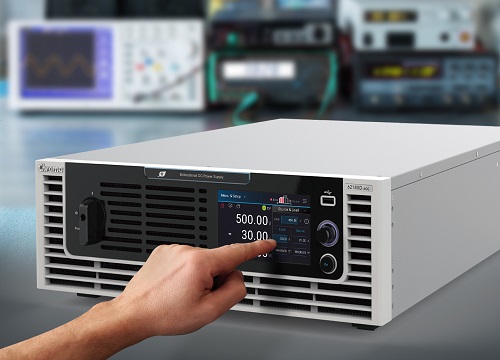
Energy storage systems are becoming an essential part of modern electrical infrastructure. With increasing adoption of renewable energy, electric mobility, smart grids, and industrial energy management, the ability to store and reuse electrical energy efficiently has become more important than ever. Battery Energy Storage Systems (BESS) help industries manage energy demand, improve power availability, and utilize electricity more effectively.
One of the key technologies enabling these capabilities is a bidirectional power supply. Unlike conventional power supplies that transfer electrical energy in only one direction, bidirectional systems support both energy transfer and energy recovery. They allow batteries and other energy storage devices to charge from an external power source and discharge energy back into a connected electrical system when required.
A Bidirectional power supply for energy storage systems provides controlled energy conversion in both directions, making it an important component in battery testing, renewable energy integration, grid-connected storage, and industrial energy management.
In this article, we will explore how bidirectional power supplies work, their major benefits, important selection factors, and their applications in modern energy storage infrastructure. We will also discuss how Darwin Motion AC Drive manufacturer fits into the evolving industrial power electronics and energy management landscape.
A bidirectional power supply is an advanced power conversion system designed to transfer electrical energy in two directions. It can operate in both source and sink modes, allowing it to supply power to a connected device or absorb electrical energy from that device.
In energy storage applications, this capability is particularly important because batteries require controlled charging and discharging operations.
During charging operation, the bidirectional power supply draws electrical energy from an AC or DC source, converts it into the required electrical form, and delivers controlled power to the battery or energy storage system.
Important charging functions include:
During discharging operation, the system reverses its power flow. Energy stored in the battery is converted and transferred back to the connected electrical source, DC bus, or grid interface, depending on the system architecture.
Key discharging functions include:
The ability to switch between these operating modes makes bidirectional power supplies useful for applications requiring flexible energy management.
A bidirectional power supply uses power electronic conversion stages and intelligent control systems to regulate energy transfer between the electrical source and the energy storage device.
Depending on the application, the system may incorporate AC-DC conversion, DC-DC conversion, voltage regulation, and grid synchronization capabilities.
This controlled energy conversion process enables efficient interaction between batteries, renewable energy sources, electrical grids, and industrial power systems.
Conventional power conversion systems generally focus on delivering electrical energy in one direction. However, modern energy storage applications require flexible power flow to support charging, discharging, testing, and energy recovery.
Bidirectional power supplies address this requirement by enabling controlled energy exchange between different electrical components.
Battery Energy Storage Systems store electricity for use during periods of high demand, power shortages, or reduced renewable energy generation.
A bidirectional power supply enables controlled charging and discharging of batteries based on energy availability and operational requirements.
Common applications include:
For example, a BESS can store excess electricity during periods of low demand and release the stored energy when the facility experiences higher power requirements.
Solar energy generation varies according to sunlight availability, weather conditions, and time of day. Energy storage systems help capture excess solar electricity and make it available when generation decreases.
Bidirectional power conversion supports the charging of batteries using available solar energy and the discharge of stored energy when required.
Important applications include:
By enabling flexible power transfer, bidirectional systems can help improve the utilization of solar-generated electricity.
Wind power generation depends on changing wind speeds and environmental conditions. This creates variations in electricity production, which can make energy balancing challenging.
Bidirectional power supplies help energy storage systems absorb surplus electrical energy and return it to the electrical network when generation decreases or demand increases.
This capability supports renewable energy utilization and energy balancing in suitable wind-integrated power systems.
Electric vehicle battery development requires extensive charging and discharging tests to evaluate battery performance, capacity, efficiency, and operational characteristics.
Bidirectional power supplies are particularly useful in battery testing environments because they can operate as both a power source and an electronic load.
Typical testing applications include:
When the testing system supports regenerative operation, energy discharged from the battery can be returned to the electrical supply instead of being dissipated as heat in a conventional resistive load.
Microgrids combine different energy sources, such as solar panels, wind turbines, battery storage, and conventional power generation. Managing energy flow between these components requires flexible power conversion systems.
Bidirectional power supplies can support controlled energy exchange between storage devices and connected electrical networks, depending on the microgrid architecture.
They are useful in:
Industrial and commercial facilities often experience fluctuations in electricity demand. Battery storage systems can help manage these variations by storing electricity when demand is lower and supplying stored energy during peak periods.
Bidirectional power supplies enable controlled charging and discharging operations that support energy management strategies such as:
Integrating bidirectional power conversion into an energy storage system offers several technical and operational advantages.
The primary benefit is the ability to transfer power in both directions. This allows the same system to charge batteries and recover energy during discharging operations.
It provides greater flexibility compared with conventional unidirectional power conversion equipment.
Bidirectional systems allow stored energy to be reused when required. In suitable installations, surplus electricity can be stored rather than immediately wasted or curtailed.
This can improve overall energy utilization and support more effective energy management.
During discharging and testing operations, energy can be returned to a compatible electrical source instead of being dissipated through resistive loads.
This regenerative capability can reduce energy wastage and the cooling requirements associated with traditional battery testing arrangements.
Battery testing laboratories require accurate control over charging and discharging parameters. Bidirectional power supplies support programmable operating modes, making them useful for battery characterization and validation.
Renewable energy sources such as solar and wind are variable by nature. Bidirectional power conversion helps storage systems absorb surplus generation and deliver stored electricity when required.
Bidirectional systems can be integrated into energy management strategies to control power flow according to demand, storage capacity, and electricity availability.
Selecting a suitable bidirectional power supply requires an understanding of the battery specifications, power requirements, electrical infrastructure, and intended operating conditions.
The rated power determines how much electrical energy the system can transfer at a given time.
Industries should evaluate:
The selected capacity should support both charging and discharging requirements within the specified operating limits.
Voltage compatibility is essential for reliable energy transfer between the power supply and storage device.
Important considerations include:
The system must support the voltage range required by the connected battery or energy storage application.
Current rating determines the maximum charging and discharging current that the system can provide or absorb.
Engineers should consider the battery's permissible current limits, required charging duration, discharge requirements, and thermal operating conditions.
Conversion efficiency influences the amount of energy lost during power transfer.
Since bidirectional systems operate in both directions, engineers should evaluate efficiency during charging as well as discharging.
Important factors include:
Modern energy storage systems require communication between power converters, battery management systems, and supervisory controllers.
Depending on the application, useful features may include:
Battery energy storage systems require appropriate protection mechanisms to maintain safe operation under abnormal electrical conditions.
Selection should consider protection against:
Protection must be coordinated with the battery management system, external circuit protection, and the applicable electrical safety requirements.
Although both systems convert electrical energy, their energy transfer capabilities are different.
| Parameter | Bidirectional Power Supply | Conventional Power Supply |
|---|---|---|
| Power Flow | Supports power transfer in both directions. | Generally supports power transfer in one direction. |
| Operating Modes | Source and sink modes. | Primarily source mode. |
| Battery Charging | Supports controlled charging. | Can support charging if designed for that purpose. |
| Energy Recovery | Can return energy to a compatible source. | Generally cannot return energy to its input source. |
| Battery Testing | Suitable for regenerative charge and discharge testing. | May require an additional electronic load for discharge testing. |
| Energy Management | Supports flexible energy exchange. | Primarily supplies electrical power to connected loads. |
The choice depends on whether the application requires only power delivery or controlled energy exchange in both directions.
The global energy landscape is moving toward electrification, renewable energy adoption, and distributed energy storage. As these technologies develop, bidirectional power conversion is expected to play an increasingly important role.
Smart grids require intelligent coordination between electricity generation, storage, and consumption. Bidirectional converters help storage systems participate in controlled energy exchange with compatible grid infrastructure.
Increasing demand for reliable energy storage is driving the development of utility-scale, commercial, and industrial battery installations. Bidirectional power conversion supports their charging, discharging, and energy management requirements.
Electric vehicle adoption is increasing the need for battery testing infrastructure and advanced charging technologies. Bidirectional systems support battery testing and, in appropriately designed applications, vehicle-to-grid and vehicle-to-building power transfer.
Industries are exploring energy storage to manage peak demand, improve energy availability, and integrate renewable generation. Bidirectional power conversion provides the flexibility required for these applications.
Industrial energy storage and power conversion applications require reliable equipment, precise electrical control, and an understanding of complex industrial operating conditions.
Darwin Motion AC Drive manufacturer focuses on industrial power electronics, motor control, and automation solutions designed for modern industrial requirements.
For businesses exploring advanced energy conversion technologies, it is important to evaluate equipment based on power ratings, voltage compatibility, operating modes, control capabilities, and application requirements.
Darwin Motion's focus on industrial drive and power conversion technologies makes it a relevant brand to explore when evaluating solutions for evolving industrial electrical and energy management applications.
To learn more about product specifications and bidirectional power conversion solutions, visit the official Darwin Motion product page:
Explore: Bidirectional Power Supply for Energy Storage Systems
Bidirectional power supplies are an important technology for modern energy storage systems because they enable controlled power transfer during both charging and discharging operations. From battery energy storage and renewable energy integration to electric vehicle testing and industrial energy management, these systems provide the flexibility required by advanced electrical infrastructure.
When selecting a suitable solution, industries should evaluate rated power, voltage range, current capacity, conversion efficiency, communication capabilities, protection features, and compatibility with the connected energy storage system.
As energy storage technologies continue to evolve, bidirectional power conversion will remain an important part of efficient energy management and electrical system development. Businesses looking for industrial power electronics solutions can explore the offerings of Darwin Motion AC Drive manufacturer to understand available technologies for their application requirements.
It is a power conversion system that enables electrical energy to flow in both directions, allowing batteries to charge from an external source and discharge energy back into a compatible electrical system.
A unidirectional power supply generally transfers energy in one direction, while a bidirectional power supply supports both energy delivery and energy absorption.
Yes. It can operate in charging and discharging modes, provided its voltage, current, power ratings, and control configuration are compatible with the battery.
In Battery Energy Storage Systems, it controls energy transfer between the electrical source and battery. It charges the battery when energy is available and allows stored energy to be discharged when required.
Yes. They can support controlled battery charge and discharge cycles, capacity evaluation, performance testing, and regenerative energy recovery.
Regenerative power conversion allows electrical energy absorbed during discharging or testing operations to be returned to a compatible power source instead of being dissipated as heat.
Yes. They can support battery charging from solar energy and discharging when electricity is required, provided the system includes the appropriate solar, battery, and grid interfaces.
Important parameters include rated power, input and output voltage, charging and discharging current, conversion efficiency, control interfaces, protection features, and battery compatibility.